
In the midst of manufacturing today, robotic arms are changing the rules of production, mixing precision, safety, and efficiency in ways previously unimaginable. Robots are mechanical marvels which have become indispensable in all industries across the globe. They were designed in order to lower operating costs as well as keep up with the highest quality standards. Through the integration of robotic arms into production lines, companies are not just reducing costs but also improving safety in the workplace and productivity. Discover how these revolutionary machines have transformed the landscape of industrial production.
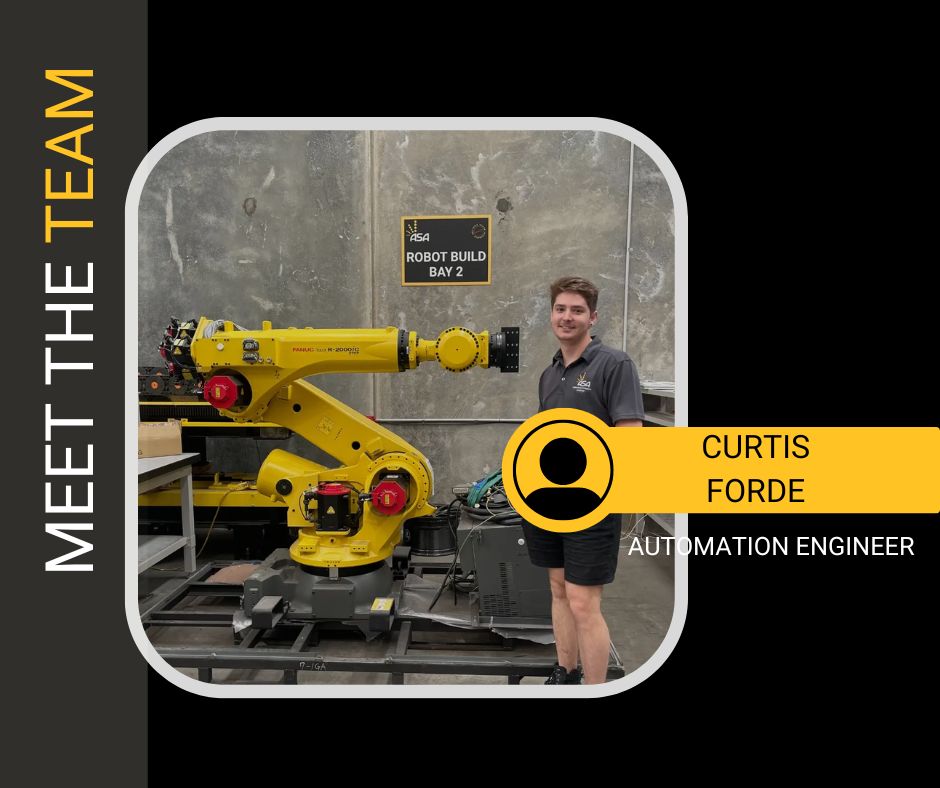
Image credit: automatedsolutions.com.au
Cost efficiency is the primary factor behind robot arms’ widespread use. Factories are constantly under pressure to reduce production errors, minimize material waste, and lower incident rates in the workplace. Robotic arms address these challenges head-on. Robot arms eliminate costly mistakes, and reduce waste of raw materials by performing repetitive tasks more precise than humans. Robotic arms are employed in many industries that require large quantities of material, such as the automotive industry to ensure an exact assembly. This precision can translate into significant savings because less damaged parts means less rework and waste.
Security is a key element in the emergence of robotic arms. A variety of manufacturing tasks like working with hazardous materials or using heavy machinery pose serious risks to workers. Robots allow businesses to eliminate their workers from hazardous work environments and prevent workplace injuries. Robotic arms consist of a variety of movable joints which mimic the human arm’s capabilities. However, they operate without any danger of injury. Equipped with hand end effectors, these devices can accomplish tasks that could be hazardous for humans, such as welding or spinning.
The versatility of robotic arms makes them a game-changer across diverse industries. From assembly for automobiles to electronic production, robot arms can be adapted to a variety of tasks. The programability of these arms lets them perform complicated tasks such as painting or applying fiberglass at a remarkable degree of precision. Robotic arms have revolutionized the palletizing process in warehouses by automating it with speed and accuracy. Automation not only increases effectiveness but also guarantees security, as robot arms are able to work for hours without fatigue.
Cobots are a new breed of robots that operate together with humans. Contrary to traditional industrial robots which are restricted to isolated cells. Cobots fitted with robotic arms are engineered for safe, seamless interaction with humans. In a workplace, a cobot’s robotic arm could be able to handle large lifting tasks or tasks that are repetitive, freeing human workers to focus on more complex responsibilities. This collaboration increases productivity as well as ensures a safe work environment, as cobots can be programmed to alter or stop their movements if the person in front of them is.
Robotic arms make a huge influence on the modern production, and not only regarding safety or efficiency. The ability robotic arms to carry out tasks that require precision, such as welding, material handling or assembly is what makes them essential in fields where safety is a priority. In the production of automobiles for instance the robot arm is able to rotate and move components during assembly to ensure perfect alignment, without the need for human involvement. In the field of electronics, robotics can be used to handle fragile components, which minimizes damage and improves output quality.
As industries continue their evolution robotic arms’ importance will grow. They’re a crucial element for manufacturing’s future due to their capacity to lower costs, enhance safety and adapt to different tasks. Utilizing cutting-edge technology and human ingenuity robot arms aren’t just instruments. They’re partners driving innovation, transforming how we build our world.