
Over 25% (25%) of American senior citizens suffer from diabetes, a condition that causes a variety of complications. A staggering 10 to 15% diabetics have leg and foot ulcers. These seemingly innocuous wounds, if left unattended, may escalate to a point where diabetic foot amputation becomes an unfortunate reality. The majority of amputations result from foot ulcers. This is a clear indication of the importance of preventing care and a thorough treatment.
The management of diabetes is a multifaceted task that requires a comprehensive strategy that goes beyond the control of glucose. For this reason, daily foot hygiene is crucial in preventing diabetic-related amputations.
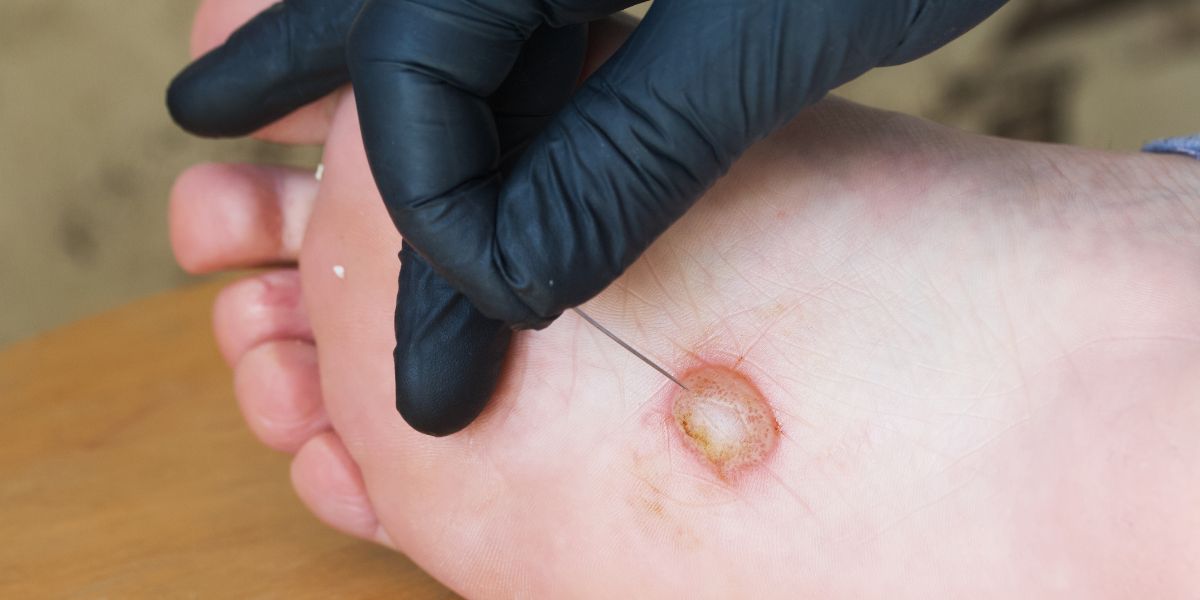
Understanding the Landscape
The diabetes world and the complications it brings is a complicated one. The adversity of foot and leg ulcers in diabetic patients emphasizes the need for proactive medical care. With these stark figures, it is evident that the most effective way to avoid amputations is to increase awareness.
The Amputation Conundrum
The specter of amputation creates a shadow of amputation over people who are struggling with diabetes. It is more than just an occurrence. It impacts individuals directly. From minor injuries to the possibility that a diabetic foot may require an amputated foot It’s a path of great trauma.
Daily Foot Care: A Shield from Amputation
The primary factor in diabetes amputation prevention lies in daily foot treatment. The daily routine isn’t solely about hygiene, but a practice that identifies and resolves any potential issues prior to them becoming dangerous. The daily routine covers everything from checking your feet for any wounds to making sure they are properly moisturized.
Vascular Specialists: Their Role
Vascular specialists do not manage diabetes on their own, but their knowledge is essential in reducing complications. In order to alleviate pain in the legs, and to speed up wound healing, establishing optimal blood flow is an essential aspect of treatment. The purpose of this cooperative method is to avoid diabetic amputations by reducing its effects.
Amputation Prevention: Strategies
To get through the complex world of diabetes-related amputation risk requires a mixture of sensibility, vigilance and professional intervention. If you’re a person who’s struggling with diabetes, adopting a proactive approach is essential. Regular visits to medical professionals, including specialists in vascular medicine, can aid in the early detection.
Understanding the Triggers: Leg Ulcers, and Beyond
Leg ulcers are usually precursors to more serious complications. They require care and knowledge. It is important to identify the triggers that can cause leg ulcers. The cause could be poor circulation, neuropathy or a combination of factors, identifying the primary causes allows for targeted intervention and personalized care.
Education as Empowerment
It is imperative to educate those with diabetes on the dangers of diabetes and ways to stop them. Both within the healthcare setting and within the community generally, education programs can bridge the gap between awareness to taking action. Knowing the possible effects of minor wounds could trigger early reactions which could help prevent diabetic foot amputation.
The battles of the private, the triumphs of the collective
The battle against diabetes-related complications isn’t an individual struggle; it is a collective victory. Engaging in the support networks of healthcare providers or group groups in the community, is a valuable space for sharing stories, experiences and strategies for coping. The emotional strain of facing the risk of amputation is enormous, and a sense in which you’re part of a larger community can be a source of comfort and strength.
In conclusion, the journey through leg ulcers, diabetes and the risk of losing a foot is multi-faceted. Regular foot care is the primary line of defense. Vascular specialists’ expertise is a great benefit to reducing the severity of complications. Diabetes sufferers can lessen the risk of amputation by raising awareness, implementing preventive measures and developing an aid system.